Gus Riza's Visit to CEHP UNUSA: Reviewing Waste Incinerator Technology as a Solution for Waste Management at Pondok Pesantren Tebuireng Jombang
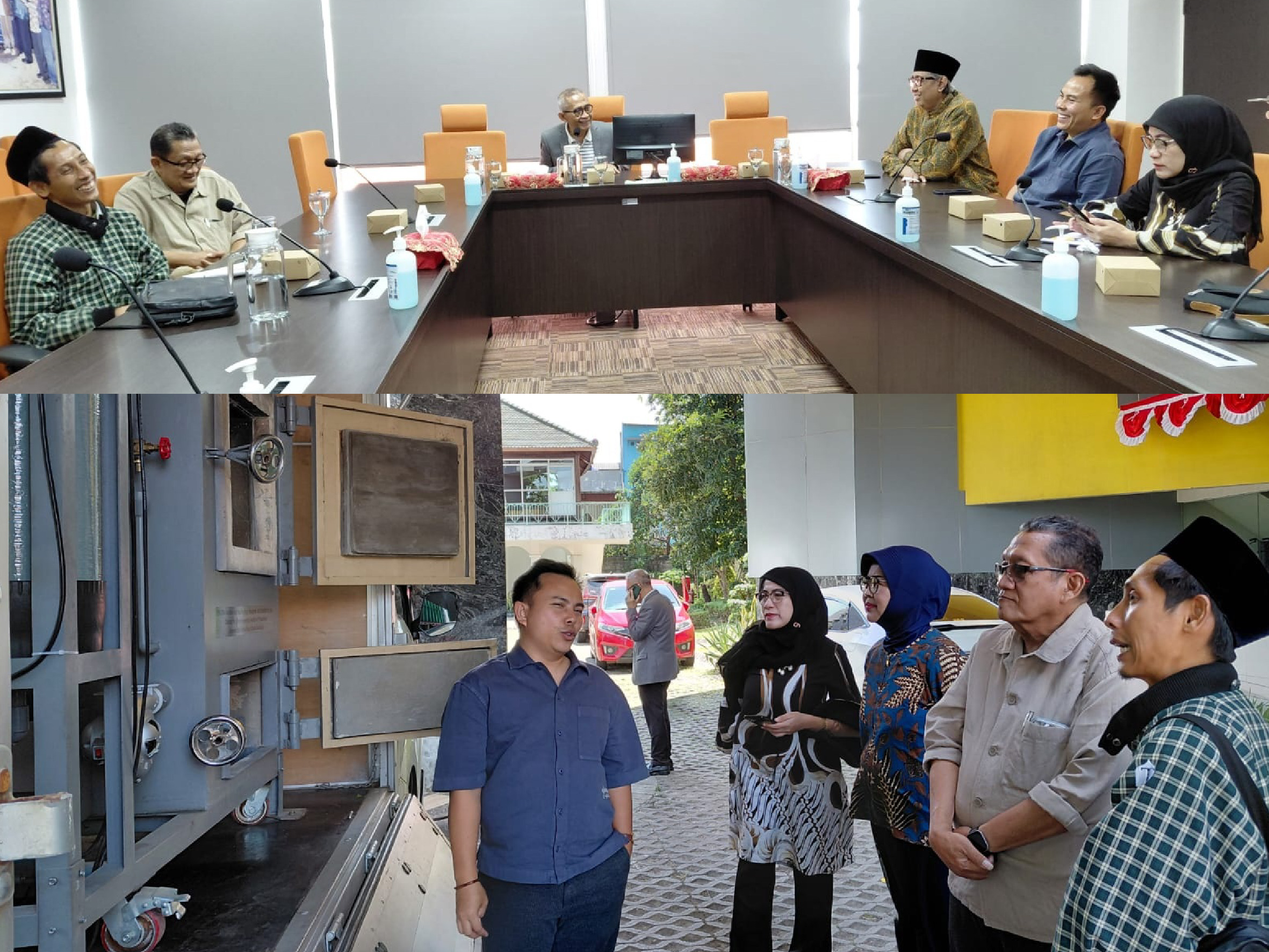
On Thursday, September 11, 2025, CEHP UNUSA received a special visit from Gus Riza, a representative from the Pondok Pesantren Tebuireng Jombang, to directly review the UNUSA-Incinerator waste incinerator technology. This visit aimed to evaluate and study the application of this technology as a real solution to address the problem of waste management that has been felt to be less than optimal in the Pondok Pesantren Tebuireng environment. Gus Riza's presence demonstrated the Pesantren serious commitment to seeking environmentally friendly technological innovations for a clean and healthy Pesantren environment.
The event began with a warm welcome from Achmad Syafiuddin, Chairman of CEHP, who explained in detail the UNUSA-Incinerator technology, including its working principles, waste processing capacity, and its advantages over conventional methods. This explanation is expected to provide a comprehensive overview and reinforce the effectiveness and benefits of campus-innovation-based waste incineration technology. Furthermore, this technology emphasizes its environmentally friendly aspects with low emissions and a state-of-the-art pollution control system.
Prof. Achmad Jazidie, Rector of Universitas Nahdlatul Ulama Surabaya (UNUSA), and the Vice Rector were also present and expressed their appreciation for this collaboration as a concrete example of synergy between higher education institutions and religious institutions in promoting sustainable development. They emphasized that the development of technology aimed at addressing social and environmental issues is part of the institution's mission to support the advancement of society at large, including in Islamic boarding schools (pesantren) as centers of education and moral development.
Gus Riza also shared his views on the challenges of waste management at the Pondok Pesantren Tebuireng, which has been a serious issue for some time, particularly related to the large volume of waste and the lack of adequate processing facilities. With the incinerator technology from UNUSA, it is hoped that the Pesantren can implement a more effective and sustainable management system and serve as an example for other Pesantren in adopting innovative, environmentally friendly technological solutions.
The visit concluded with an interactive discussion
between the CEHP team, UNUSA leadership, and a delegation from the Pondok Pesantren
Tebuireng. The discussion focused on technical implementation plans,
operational training, and ongoing evaluation after the incinerator
installation. The resulting collaborative spirit is expected to foster positive
synergy in efforts to create a clean, healthy, and sustainable Pesantren environment,
while strengthening UNUSA's commitment to being a center for innovation with
broad social impact.